SHED
In Tucson, structures under 200 square feet don’t require a permit for construction (Single story detached accessory structures that are 200 sf or less in area and don't have electrical). Permits and inspections required for electrical connections, sewer connections, and all habitable structures. We initially designed this "shed" to both be small and flexible, as well as to use as a tool pushing the public to understand how much space we dedicate to storing cars.
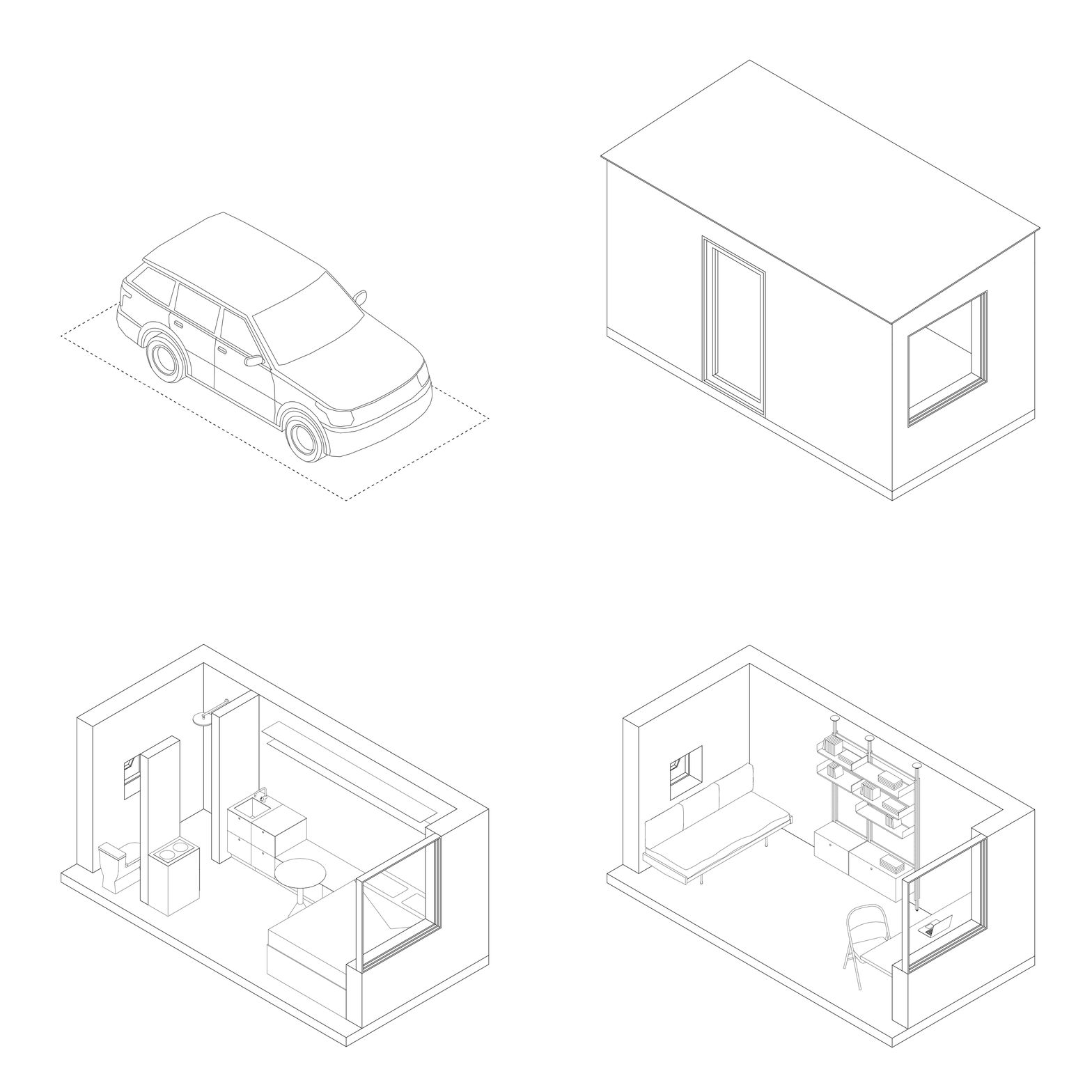
Though compact, measuring 162 square feet to fit within the city’s car storage dimensions (9 feet by 18 feet), this shed is designed for maximum efficiency and versatility.


ABOUT THE SHED
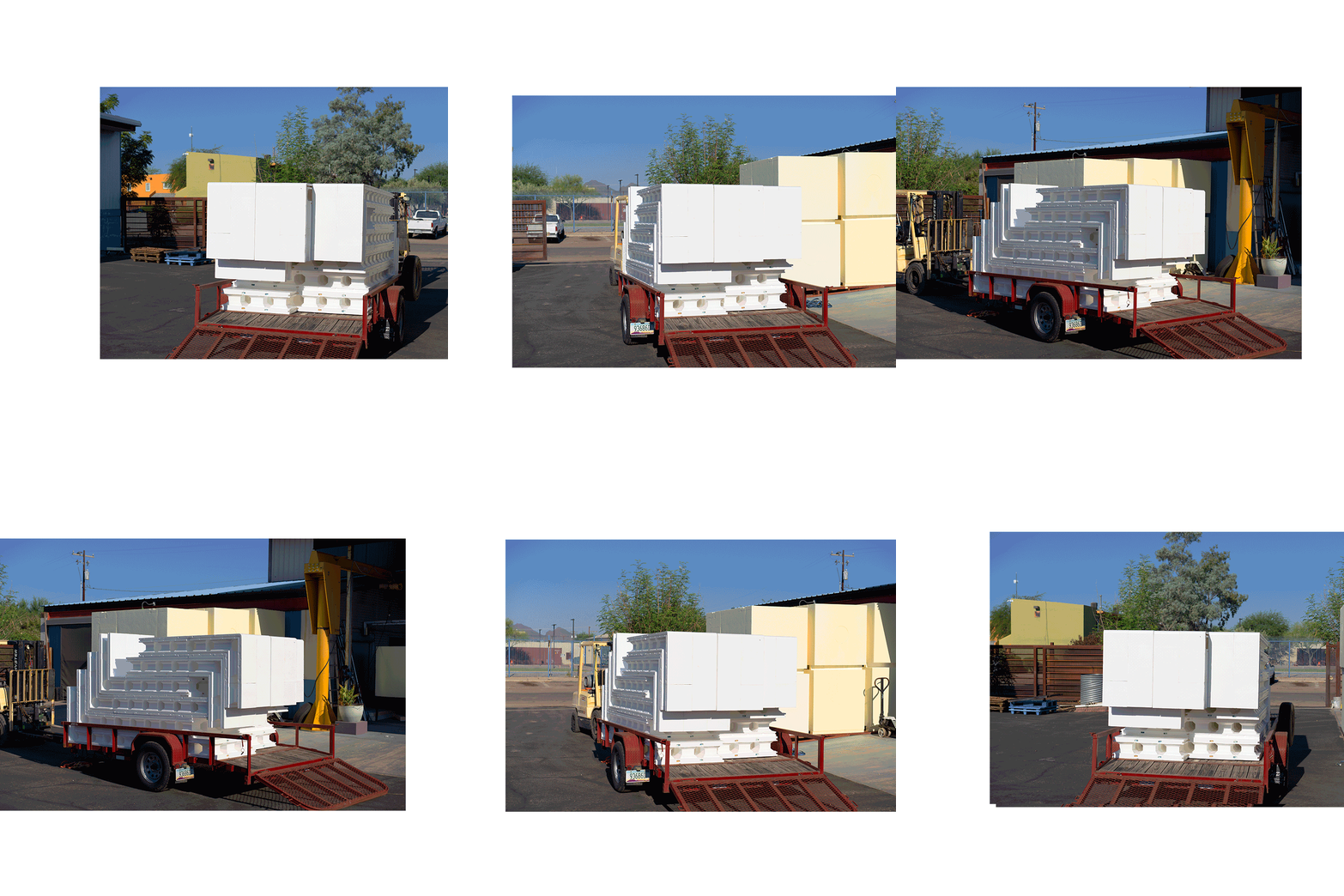
The shed’s walls are constructed from locally fabricated Insulated Concrete Form (ICF) blocks. Each block weighs approximately three pounds, making them easy to lift and assemble. The full wall system can be pre-assembled into fifteen manageable panels and transported on a single trailer. While the panels are lightweight, we recommend two people work together during installation due to their size—the largest panels weigh roughly 50 pounds and measure 3 feet tall by 10 feet long.
Once assembled, the structure can be clad in metal, plastered, or finished like any conventional building.
The shed fits comfortably into most yards, and its monthly cost (when built by a contractor) is typically less than renting a small office space, and significantly less when built by the owner. This makes it an ideal entry-level project for anyone interested in learning how to build, while creating a useful, flexible space at a modest scale.
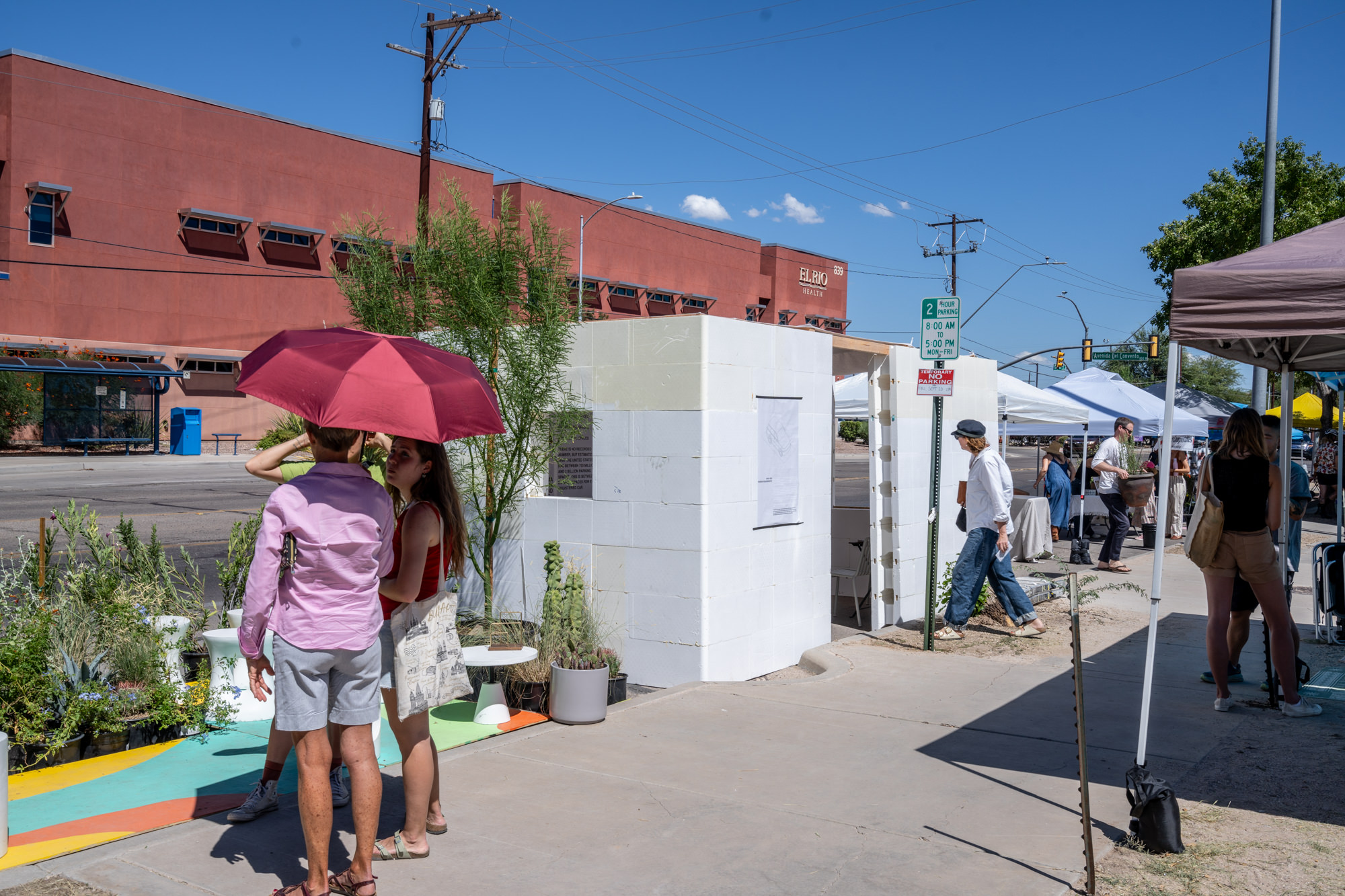
SHED at Park(ing) Day
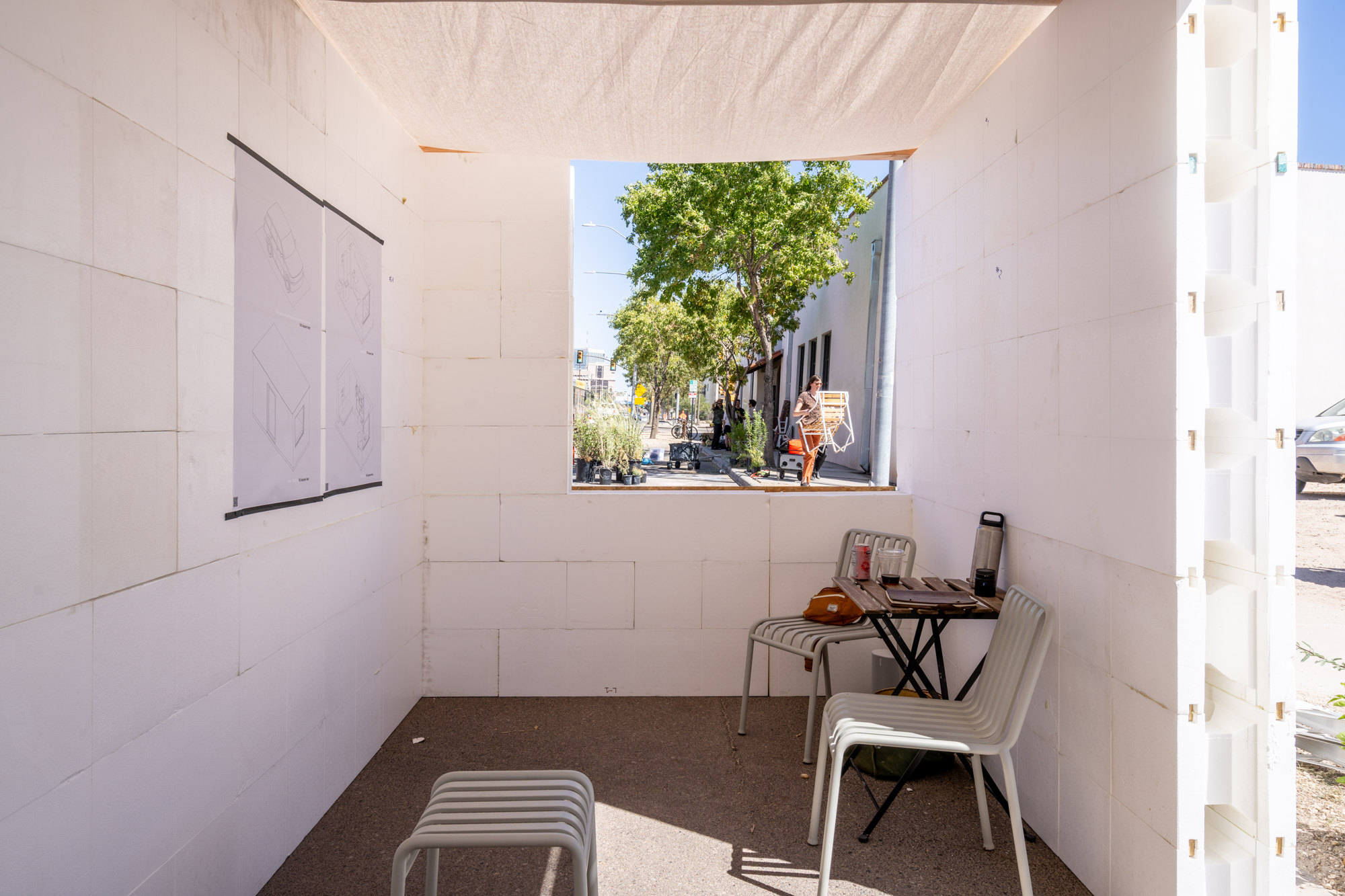
Our entire built environment is shaped by the rules and codes we set for ourselves as a society.
Nine feet by eighteen feet is the standard space required by code to park a single car. Some parallel spaces may be narrower, and some diagonal spaces longer, but in general, nine by eighteen feet (162 square feet) is the amount of land we are required to dedicate to vehicle storage.
How much of that space we must provide depends on use.
For a primary residence, property owners are generally required to maintain space for two vehicles on site, 324 square feet. In the City of Tucson, the highest parking requirement applies to bars, which must provide 162 square feet of parking for every 50 square feet of bar space (as if we are actively encouraging drunk driving). Restaurants require 162 square feet of parking for every 100 square feet of interior space.
In 2024, we built a shed within a single parking space to illustrate just how much room we routinely reserve for cars—space that could just as easily become an office, a small home, a café, a shop, or any number of productive uses within 162 square feet. After Park(ing) Day, we relocated the shed to our property and integrated it alongside our Accessory Dwelling Unit (ADU), where it now functions as a workspace, bike storage, and shared laundry between the main house and the ADU.
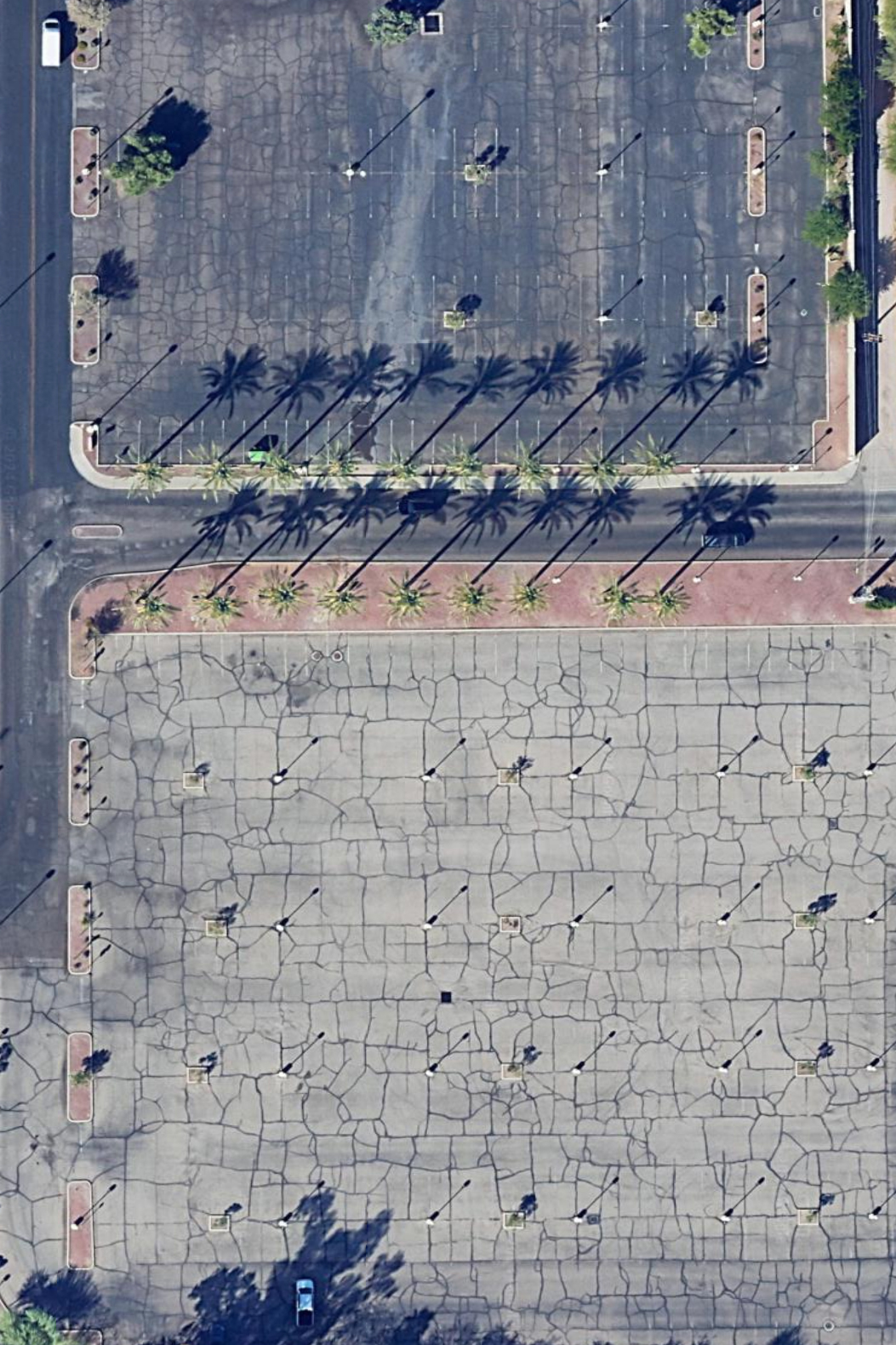
We invite you to experience a concentrated example of this problem for yourself: walk a lap around any of our largely defunct shopping malls and observe how much parking is required by code versus how much is actually used; all during a housing crisis and an affordability crisis.
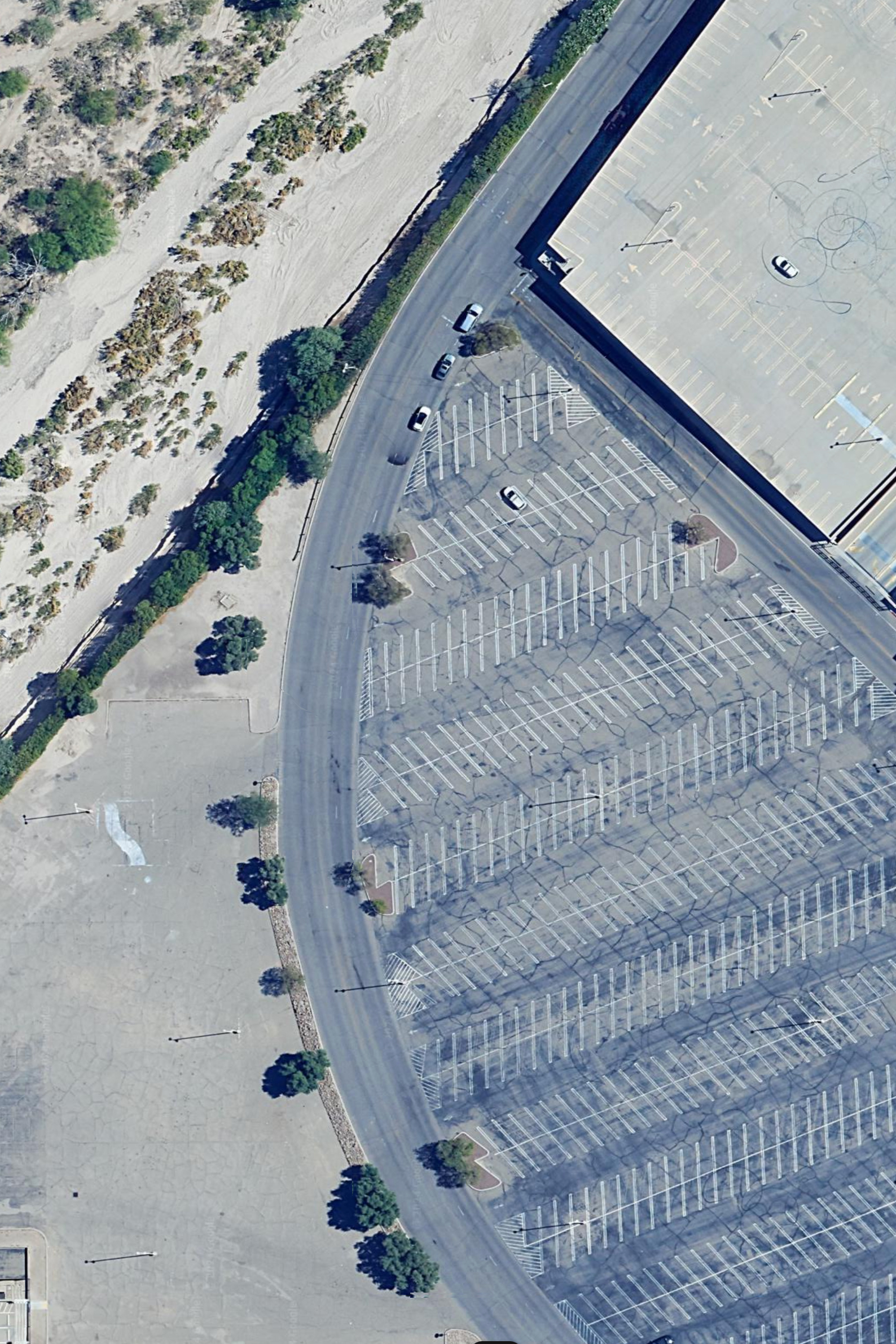
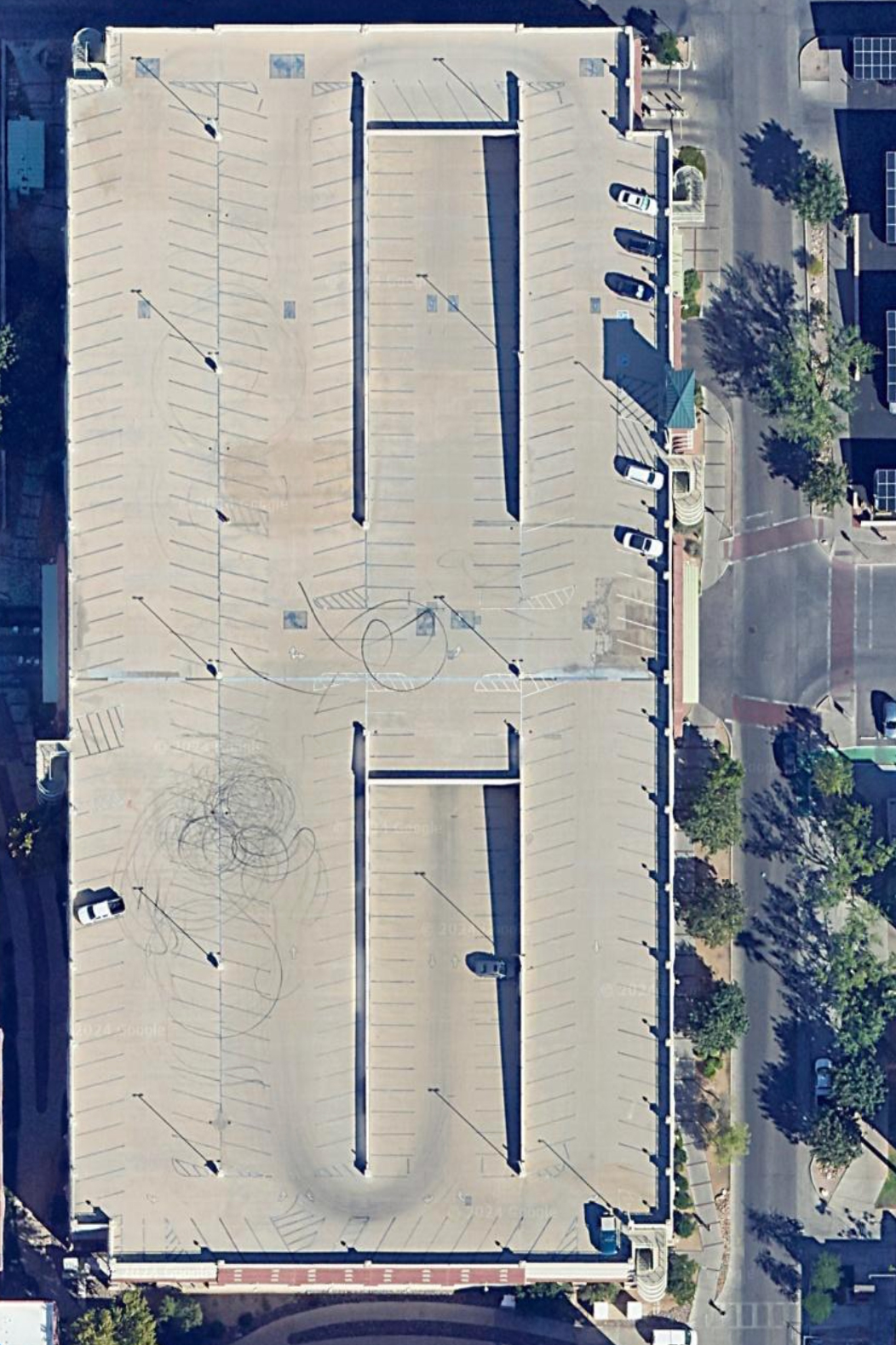
University of Arizona - too many parking spaces